The word perm still summons a very specific memory for many people: tight curls, a strong chemical smell, and a style that took months to relax. Modern texture services use the same basic idea, breaking and resetting the bonds inside hair so it holds a new shape, but the rods, solutions, and goals have changed a great deal since the 1980s version.
Today the request at Charo's Hair Studio in Matthews is more often soft movement than springy curl: a bend through the ends, volume that survives a blowout, or waves that make air-drying realistic. Planning a perm now is less about one appointment and more about a calendar, because the result lives with you for months and its care changes as it grows.
What is actually different now
Rod choice drives the result. Large rods and varied wrapping patterns produce loose waves and body; small rods still produce defined curl, but they are a deliberate choice now rather than the default. Placement matters too: many modern wraps concentrate texture where you want movement and leave the front and crown smoother, which reads as natural rather than done.
Solutions have also widened. Alongside traditional alkaline formulas, gentler acid-balanced and thio-free options exist for finer or previously colored hair, trading some strength of curl for less stress on the strand. A consultation sorts out which trade is right for your hair, and previously lightened hair is the main caution: hair that has been highlighted heavily may not be a candidate at all, and a strand test settles the question honestly.
The appointment itself still takes time. Expect the sequence of washing, wrapping section by section, applying solution, processing, rinsing, neutralizing, and then styling, with the wrap being the slow, skilled part. The first 48 hours afterward are protected time: no washing, no soaking, and no tight clips or bands, while the new bonds settle.
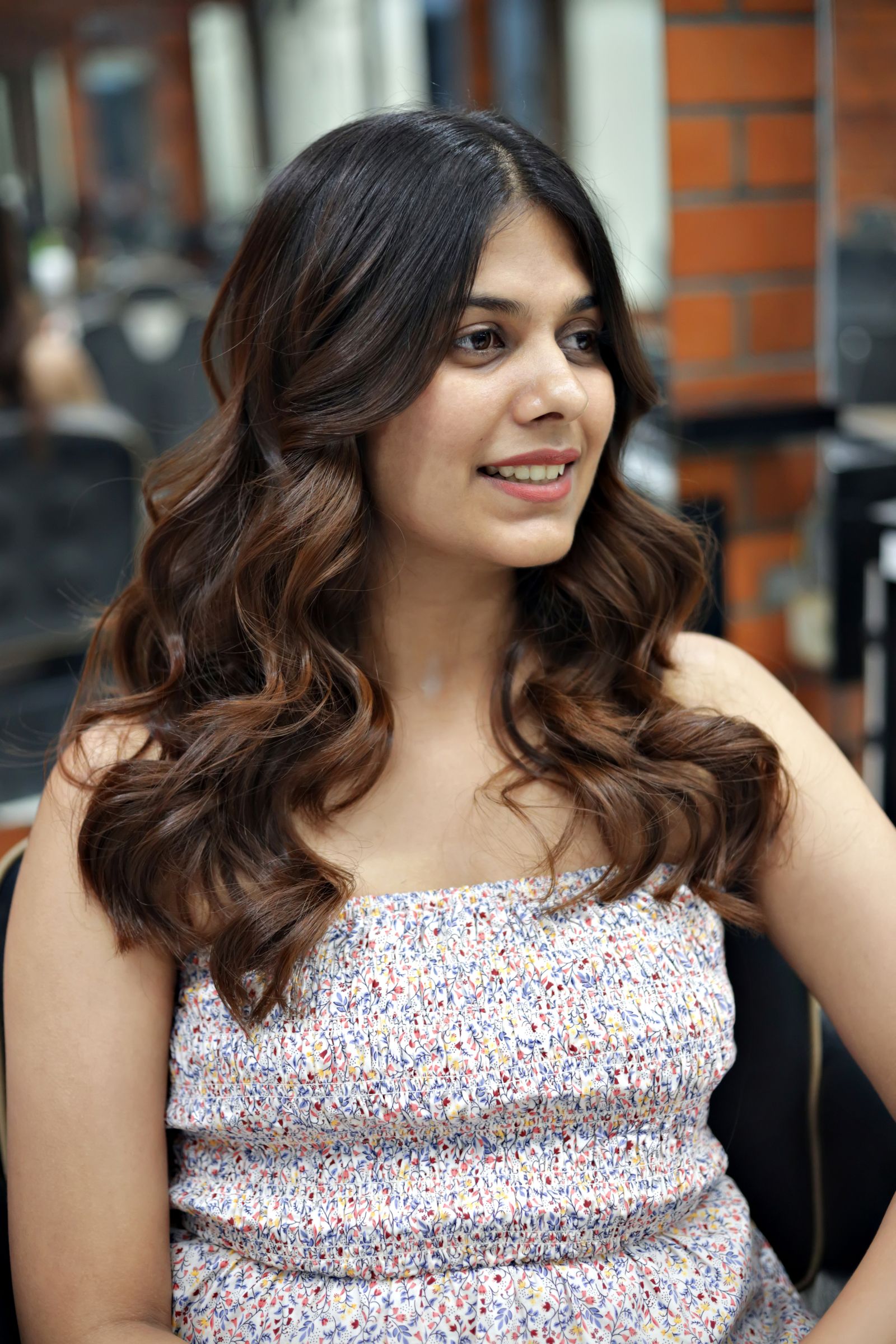
A year with a perm: the calendar
Thinking in seasons helps, especially in Piedmont North Carolina, where humid summers test any style. The table below maps a typical year from the first consultation to the decision about what comes next.
| When | What happens | What to do |
|---|---|---|
| 2 to 4 weeks before | Consultation and strand test | Discuss color history honestly, bring photos of the movement you want, and schedule any color work well apart from the perm |
| Appointment week, spring is a popular choice | The perm service itself | Arrive with clean, product-light hair, allow several hours, and plan nothing that wets your hair for the next two days |
| First 48 hours | Bonds finish setting | No washing or soaking, keep hair loose and dry, sleep without tight bands or clips denting the new shape |
| Weeks 1 to 6 | Peak definition | Wash gently with sulfate-free shampoo, condition every wash, scrunch with a light styling product and air-dry or diffuse on low heat |
| Humid summer months | Frizz pressure is highest | Add moisture before adding hold products, refresh in the morning with a water mist and a little leave-in conditioner rather than a full rewash |
| Months 3 to 5 | Texture softens and grows out | Get a trim to keep ends tidy, expect the top to relax first, and use a round-brush blowout on days you want a smoother look |
| Months 6 and beyond | Mostly grown out or ready for a refresh | Decide with your stylist: re-perm the new growth pattern, shift to heat styling, or let the remaining wave finish growing out with regular trims |
Aftercare that actually matters
Moisture is the main job. Permed hair is drier by nature of the process, so conditioning moves from optional to routine, and a deep conditioning treatment every few weeks keeps the curl pattern defined instead of fuzzy. Protein has a place too, but in balance: too much makes permed hair feel stiff and straw-like, so alternate rather than stacking protein products at every wash.
Technique matters as much as products. Detangle wet, conditioned hair with fingers or a wide-tooth comb, never a dry brush through curls unless a brushed-out look is the goal. Cotton pillowcases rough up the cuticle overnight; a smooth pillowcase or loosely gathering the hair up reduces morning frizz. Chlorine and heavy sun both dry permed hair further, so rinse before and after swimming in summer and condition afterward.
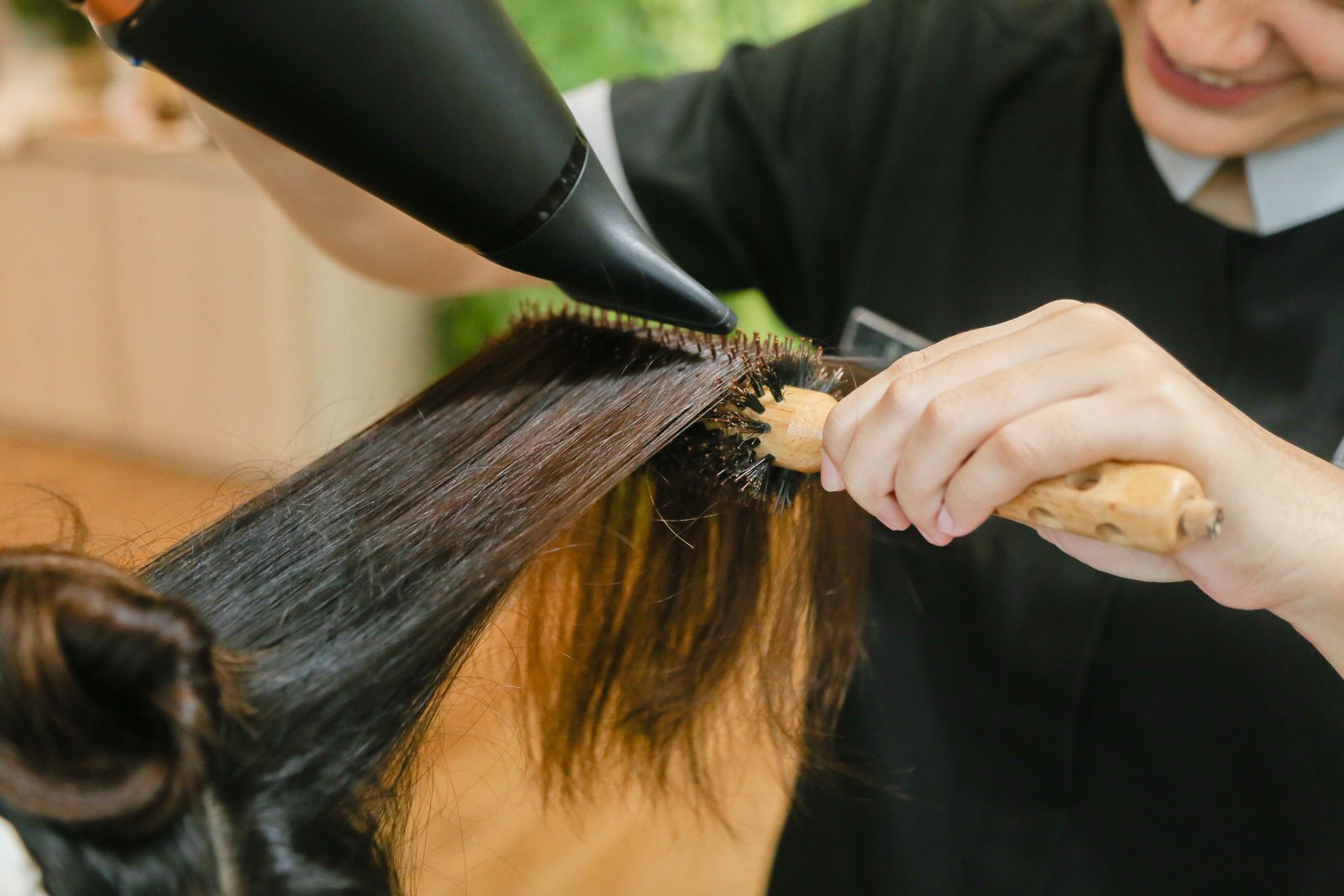
Who should pause before perming
Recently lightened hair, hair that is breaking at the ends, and hair with unknown metallic-salt color history all deserve a strand test or a wait. Color and perm appointments also need spacing: doing both in the same week stacks two chemical processes, and stylists generally separate them by at least a couple of weeks, with color usually following the perm rather than preceding it closely. None of these are permanent no answers. They are sequencing questions, and sequencing is most of what good texture work is.
In Matthews, a common pattern is a spring perm that carries through summer humidity with loose styling, then a smoother routine in the fall as it relaxes. Planned that way, the service fits the year instead of fighting it.
Common questions
How long does a modern perm last?
Most perms hold their main shape for three to six months, softening gradually as they grow out. Loose, large-rod waves relax faster than small-rod curls.
Can I perm colored hair?
Sometimes, depending on the color history and condition. Gentler formulas exist for color-treated hair, but heavily lightened hair is often not a candidate, and a strand test gives the real answer.
When can I wash my hair after a perm?
Wait about 48 hours before washing or soaking it. After that, wash gently, condition every time, and avoid heavy products that weigh the new pattern down.
Photos in this guide are representative stock images.
← All guides from Charo's Hair Studio← Back to Charo's Hair Studio