A keratin or smoothing treatment does not straighten hair the way a relaxer does. It coats and fills the hair shaft so strands lie smoother, dry faster, and resist the swelling that Piedmont humidity causes. For people in Matthews whose blowouts fall apart by lunchtime in July, that difference can be the difference between styling daily and styling occasionally.
At Charo's Hair Studio, treatments and smoothing work sits alongside deep conditioning, and the questions are consistent: what is actually happening to the hair, what are the rules afterward, and when in the year is it worth doing? The seasonal angle matters most, because the value of a smoothing treatment rises and falls with the weather.
What the treatment does
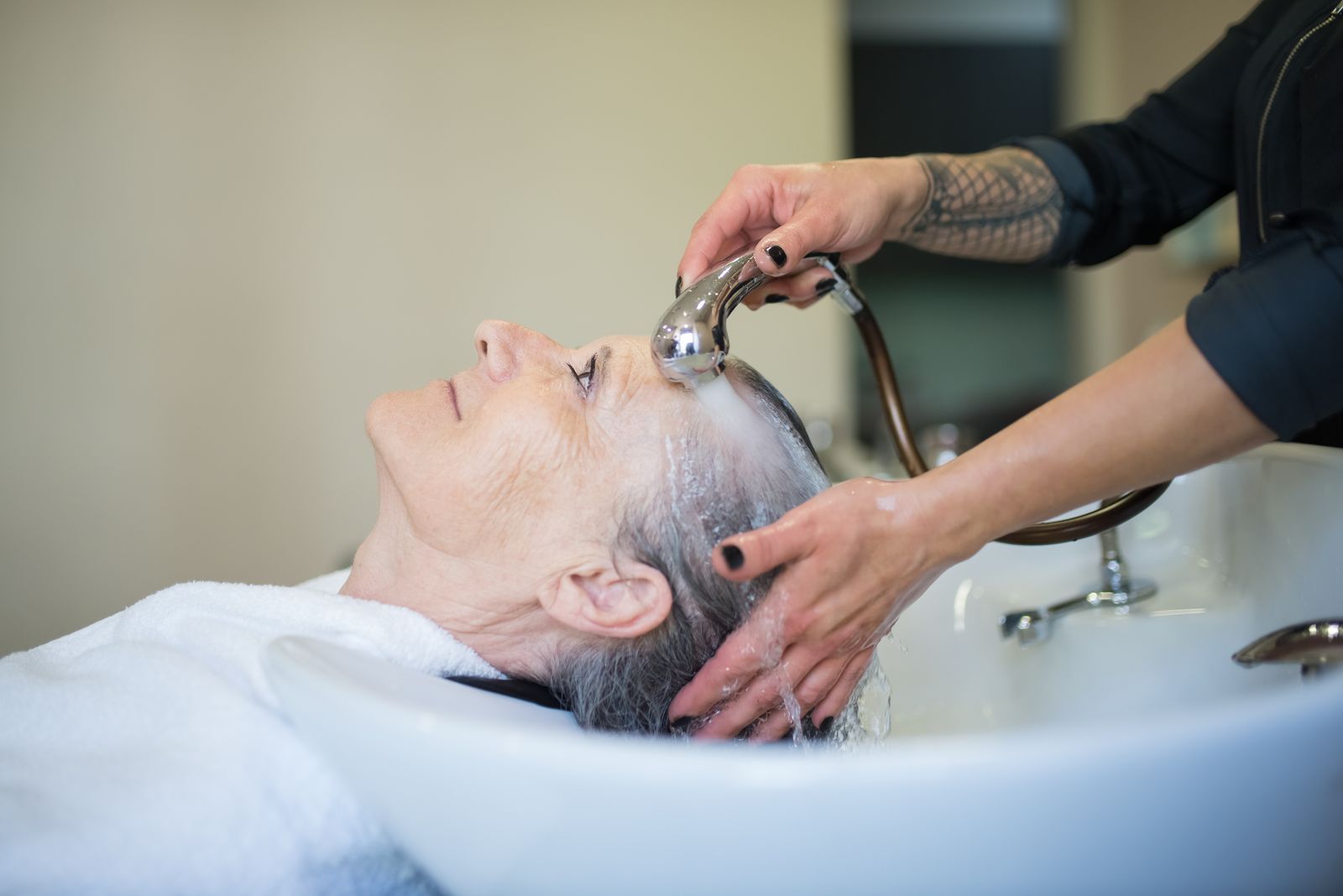
Hair is mostly keratin, a protein. Its outer layer, the cuticle, is made of overlapping scales. When those scales are rough, damaged, or lifted, hair tangles, looks dull, and absorbs moisture from humid air, which is what frizz is. Smoothing treatments deposit keratin-derived ingredients and conditioning agents onto and into the surface, then seal them with the heat of a flat iron passed carefully over small sections.
The result is a smoother surface, not a changed structure. Your curl pattern is loosened and easier to straighten, not removed. Over the following weeks and months the coating gradually washes away, fastest with frequent washing and harsh shampoos, and the hair returns to its natural behavior. Most treatments are described as lasting around three months, give or take, depending on the formula, your hair, and your wash routine.
The appointment is not quick. Hair is clarified, dried, treated section by section, and ironed in fine passes. Plan a few hours, and plan the timing around your calendar, because the first days after some formulas come with rules about washing, clips, and ponytails.
The seasonal logic for North Carolina
Spring is the strategic moment. Booking in late spring puts the strongest weeks of the treatment over the most humid stretch of the year, June through early September, when Matthews afternoons are hot, damp, and punctuated by thunderstorms. A fall booking serves a different purpose: repair and smoothness after a summer of sun, pool water, and heat styling, heading into the dry indoor-heating months.
Winter is the low-pressure season for frizz but the high-pressure season for dryness and static, so a treatment done mainly for humidity control earns less then. Summer bookings still work, but plan around vacations: swimming, salt water, and daily washing all shorten a treatment's life, so the week after a beach trip is a smarter slot than the week before.
Before and after a smoothing treatment
- Before: tell your stylist about previous chemical services, including relaxers, perms, and heavy lightening, since not every formula suits every history.
- Before: schedule color at the appointment your stylist recommends relative to the treatment, since the order affects both results.
- Day of: arrive with time to spare and no need to wash, tie up, or clip your hair for the period your specific formula requires afterward.
- First days: keep hair dry and loose, avoid tucking it behind ears constantly, and do not wash until the waiting period for your treatment has passed.
- Ongoing: wash with a sulfate-free shampoo, and wash less often when you can, since every wash removes a little of the coating.
- Ongoing: condition mid-lengths and ends each wash, and use heat protection before any flat iron touch-ups.
- Ongoing: rinse hair with clean water before swimming and wash promptly after chlorine or salt water to slow the coating wearing away.
Aftercare, honestly stated
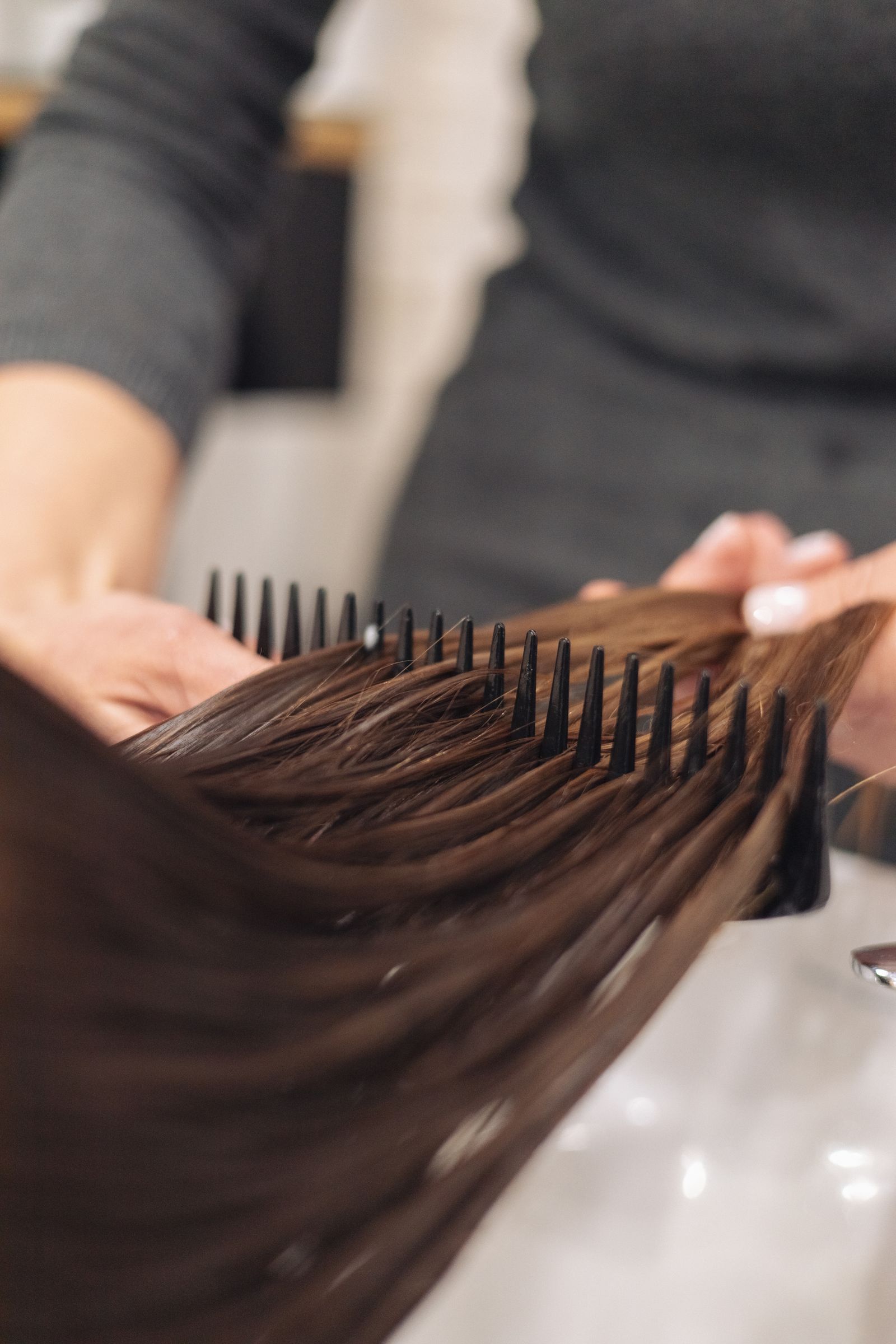
The wash rules are the part people break, usually by accident. Sulfates are strong detergents that strip the coating faster, so the sulfate-free recommendation is chemistry, not upselling. Dry shampoo between washes stretches the treatment further than any special product does. When you do wash, lukewarm water and a gentle hand help; the treatment lives on the surface, and rough treatment removes it, literally.
Heat styling is still allowed and usually easier: hair dries faster and irons smoother at moderate settings. Keep using a protectant, because a smoothing treatment is not armor against repeated high heat, and damaged cuticle underneath will shorten how good the surface can look.
Who it suits, and who should ask first
Smoothing suits frizzy, wavy, and curly hair that its owner wants easier, not erased. It suits thick hair that takes an hour to dry. It needs a conversation first for very fine hair, which some formulas can leave feeling flat, and for heavily lightened hair, which may need a gentler product or a conditioning treatment instead. Deep conditioning, which the salon also offers, is the lighter step: no coating, no wash rules, just moisture and strength for hair that is dry rather than unruly.
Done at the right point in the Matthews year, with the wash rules actually followed, a keratin treatment is best understood as buying back time and predictability through the humid months, one easier morning at a time.
Common questions
How long do keratin treatment results last?
Typically around three months, wearing off gradually rather than growing out with a line. Frequent washing, sulfate shampoos, and swimming shorten that window.
Will a smoothing treatment make my hair completely straight?
No. It smooths and loosens the pattern so hair is easier to dry and style straight, but your natural texture returns as the coating fades. It is not a relaxer.
When is the best time of year to get one?
Late spring is the most strategic booking in this region, putting the strongest results over the humid summer. After a beach vacation is better timing than right before one.
Photos in this guide are representative stock images.
← All guides from Charo's Hair Studio← Back to Charo's Hair Studio