Event hair has a reputation for being stressful, and most of that stress comes from timing, not talent. A wedding morning or a prom afternoon runs on a clock. Hair that is planned in the wrong order, tested too late, or washed at the wrong moment creates problems that have nothing to do with how good the style itself is.
At Charo's Hair Studio in Matthews, special-occasion styling is a regular part of the schedule, and the same questions come up every season. Sorting the common claims into true, false, and it-depends is a practical way to plan, because event hair rewards preparation far more than last-minute inspiration.
The claims, sorted
Some advice passed around before weddings is solid. Some is leftover from an era of heavier products and different tools. Some depends entirely on your hair type, the style you want, and the weather in Piedmont North Carolina that day. The table below puts the most common claims in their proper columns.
| Claim | Verdict | Why |
|---|---|---|
| Dirty hair styles better, so skip washing for days | Mostly false | A day of natural oil can help grip, but several days of buildup makes hair heavy, dull, and harder to curl. Clean, fully dry hair is the safer starting point for most modern styles. |
| You need a trial for an updo or a complicated style | True | A trial tests hold, comfort, pin placement, and timing. It also reveals whether the photo you love works with your length, thickness, and face shape. |
| Bring inspiration photos to the trial | True | Photos of the front, back, and sides communicate faster than descriptions. Bring two or three, not twenty, and include one of your own hair at its current length. |
| A style that lasts in a photo will last all day | It depends | Humidity, dancing, hugging, and wind all test hold. A style pinned for a short indoor ceremony faces a different day than one worn outside through a humid June afternoon. |
| Book hair after makeup on the day | It depends | Order matters less than total time and who needs to be ready first for photos. What matters is a written sequence with buffer time, agreed before the day arrives. |
| New color the week of the event is a good freshen-up | Mostly false | Color done one to two weeks ahead has time to settle and to be adjusted if needed. Color done two days ahead leaves no room if the tone is not quite right. |
Working backwards from the event date
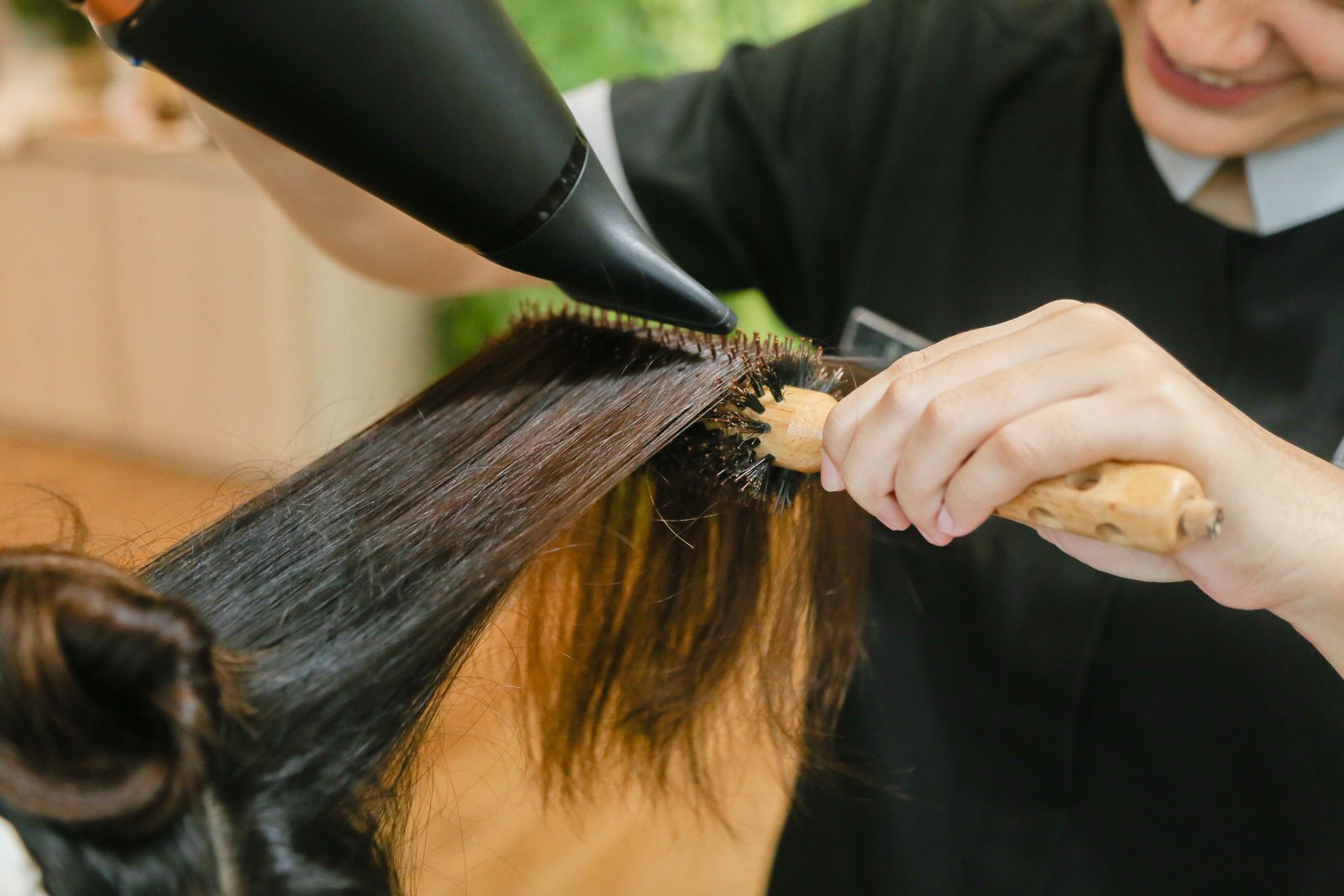
Start with the time you must be fully ready, not the time the event starts. Photographers usually need finished hair well before the ceremony or the first prom photos. From that ready time, work backwards: styling time for each person, makeup, getting dressed, and travel. Then add a buffer. Something always runs long, a pin always needs redoing, and a buffer is the difference between a delay and a crisis.
The trial belongs four to eight weeks before the event for most people. That is close enough that your length and color will be similar on the day, and far enough ahead that a different direction is still possible. Book the trial on a day when you can wear the style for several hours afterward. You are testing endurance as much as appearance: does it stay comfortable, do the pins hold through ordinary movement, does the front still look right at hour four?
Color, highlights, and a trim belong in the two weeks before the event, in that order of planning. A small trim removes tired ends so curls and updos hold a cleaner shape. Deep conditioning fits best about a week out, not the night before, when hair can be left too soft to hold pins and spray.
What to bring, and what to wear
Bring the things that change how hair sits: your veil, headpiece, clips, earrings if they are large, and a photo of the dress neckline. A neckline decides whether hair up, half up, or down makes visual sense, and a headpiece decides where volume and pins can go. If extensions or added pieces are part of the plan, bring them to the trial, not just to the day itself.
Wear a button-front or wide-neck top to both the trial and the appointment. Pulling a fitted shirt over finished hair is a preventable disaster. Eat before you sit down, charge your phone if photos matter, and keep one person in charge of the schedule rather than letting the whole room negotiate it.
The Matthews weather factor
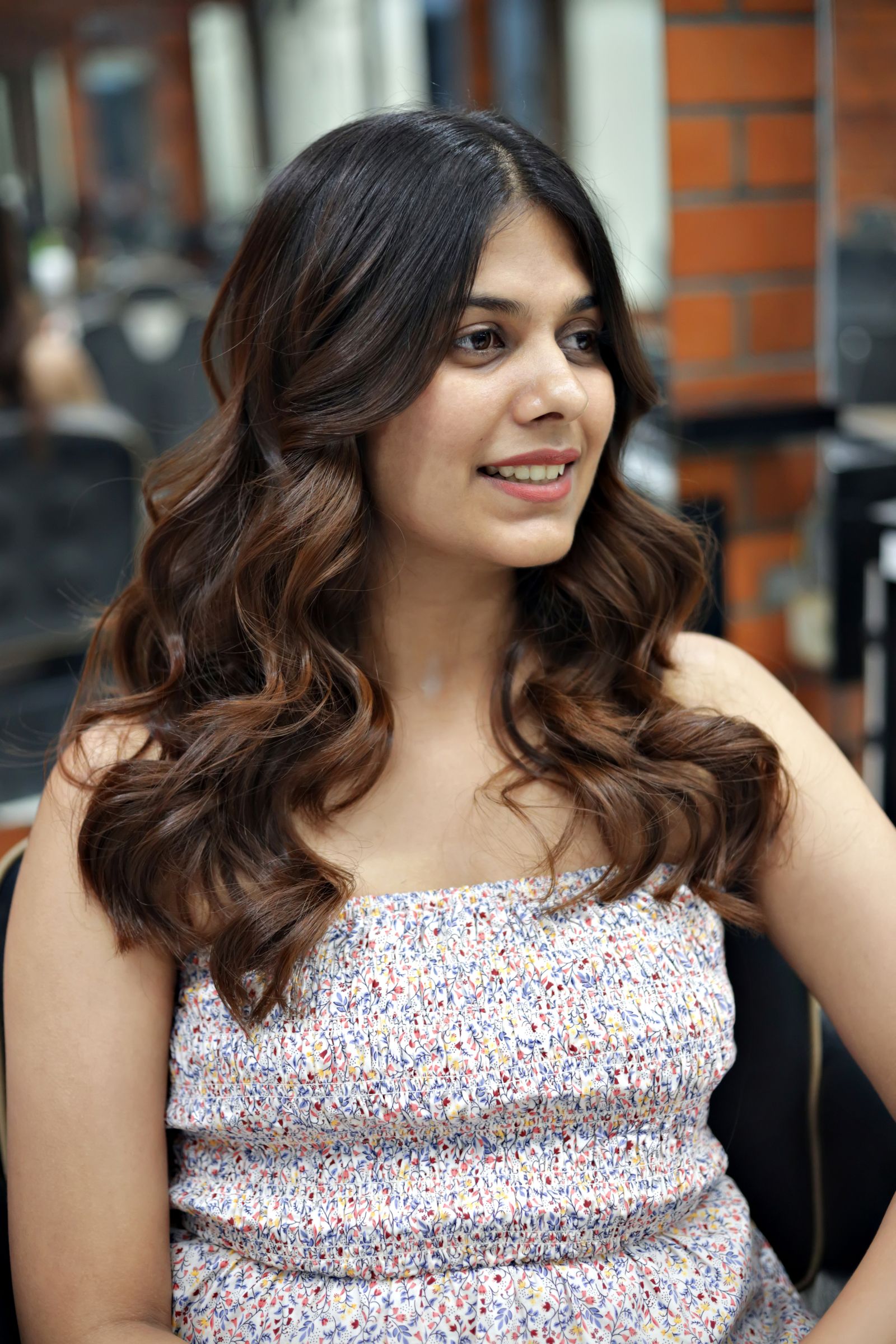
Spring and summer events around Matthews often mean humidity, a warm afternoon, and the chance of a thunderstorm. Humidity swells the hair shaft and softens curls, so styles planned for this region need hold built in layers: proper prep products, heat setting, cooling before touching, and pins placed for structure rather than decoration alone. Loose, brushed-out waves are the most fragile choice on a humid day. Braided elements, twists, and pinned styles generally outlast them.
Ask at the trial what the rain version of your style is. Sometimes it is the same style pinned slightly higher. Sometimes it is a planned second look. Deciding that calmly, weeks ahead, beats improvising it in a parking lot.
The day itself should feel boring in the best way: everyone knows their slot, the tools and products are already chosen, and the style being created is one that has already been worn once. That is what the trial buys you.
Common questions
How far ahead should I book event hair?
Book the appointment as soon as your event date is fixed, and the trial four to eight weeks before. Popular spring and fall Saturdays in the Charlotte area fill early.
Should I wash my hair the morning of the event?
Follow the plan agreed at your trial. Many styles start best on hair washed the day before and fully dried, but fine or very oily hair may do better washed that morning.
What if I want to change the style after the trial?
Say so promptly and book a second trial if the change is major. A small adjustment to volume or parting is simple; a switch from an updo to long waves is a new test.
Photos in this guide are representative stock images.
← All guides from Charo's Hair Studio← Back to Charo's Hair Studio