Bangs are the cheapest-looking big change in hair and the one with the longest tail. The cut itself takes minutes. Living with them takes a daily minute of styling, a trim every few weeks, and, if you change your mind, months of growing out through stages that each need their own small plan.
None of that is a reason to avoid them. Plenty of people in Matthews wear fringe happily for years. It is a reason to choose the style with your face, your hair type, and your tolerance for maintenance in view, because the cost of neglecting bangs is not damage, it is a slow slide into a fringe that sits wrong, gets hacked at over the bathroom sink, and finally gets pinned back in surrender. Charo's Hair Studio sees every stage of that story.
Choosing a fringe that fits
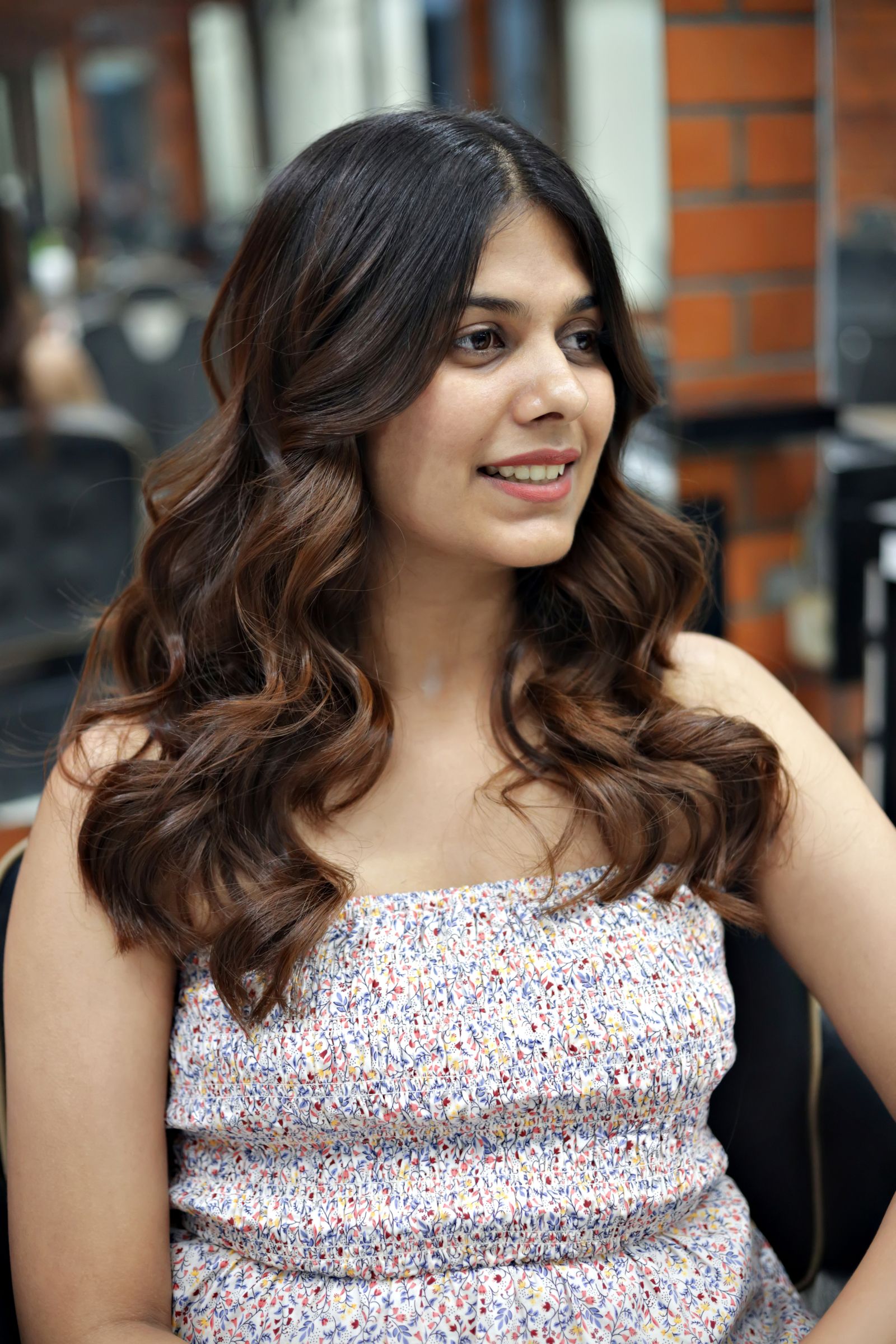
Face shape is a starting guide, not a law. Full, straight-across bangs shorten the appearance of a longer face and suit straight to slightly wavy hair. Curtain bangs, parted in the middle and sweeping to the sides, soften most face shapes and are the most forgiving to grow out, which makes them the sensible first fringe. Side-swept bangs work well for rounder faces and for people who wear their hair with a side part already. Short baby bangs are a strong style statement that suits confident, straight hair and a willingness to trim often.
Hair behavior matters as much as face shape. A cowlick at the front hairline will split a full fringe open unless it is cut and trained with that swirl in mind. Curly bangs are entirely wearable, but they must be cut dry and longer than they look in the chair, because curl springs up as it dries. Very fine hair makes wispy, see-through fringe; thick hair makes a blunt fringe with real presence. Ask what your hair will do on a humid Matthews morning, not just how it looks styled in the salon.
Living with them, week to week
The daily routine is small but non-negotiable: bangs dry in whatever direction they are left in, and they pick up forehead oil faster than the rest of your hair. The standard fix is to wet just the fringe in the morning, even on a non-wash day, and blow-dry it forward and side to side with a small brush. That resets both the shape and the cowlicks in under a minute. Dry shampoo at the hairline the night before helps oily fringes specifically.
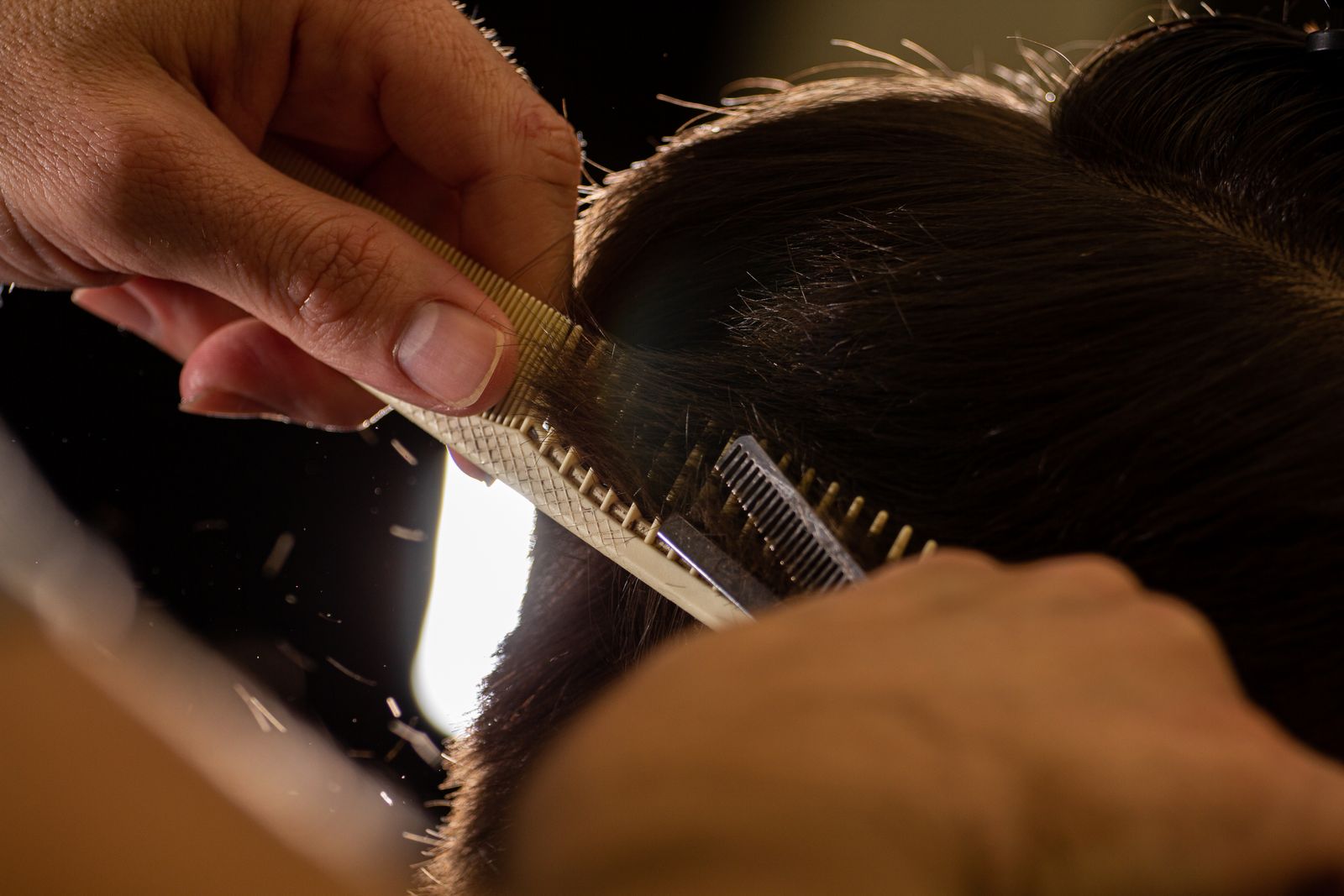
The neglect trap is the trim. At half an inch a month, a fringe cut to brow length is in your eyes in about three weeks. Skipping trims does not just look untidy; it changes how you treat your hair. People start pushing it aside constantly, touching it all day, making it oilier, then cutting it themselves at an angle with kitchen scissors. One uneven home trim usually takes two professional trims to level out, and in the meantime the fringe cannot sit as designed. Small, regular fringe trims keep the original shape alive; many people book them between full haircuts as a standing habit.
The grow-out, stage by stage
Deciding to grow bangs out is where neglect costs the most, because the process has predictable awkward stages and each one has a styling answer if you plan for it. Months one and two: the fringe reaches the eyes. Sweep it to your stronger side, or split it into an early curtain shape with a trim that angles the edges rather than shortening the middle. Months three and four: it reaches the cheekbones. This is the curtain fringe stage properly, and a small shaping cut makes it look chosen rather than abandoned. Months five and six: the former fringe reaches the jaw and can be tucked, pinned, or blended into face-framing layers.
What not to do is suffer through all six months with no trims at all in the name of growing. Growing out is about gaining length in the middle while a stylist keeps the edges shaped. Skipping that shaping is how people quit at month three and cut the bangs back in frustration, restarting the whole cycle.
A sensible way to decide
If you are unsure, start with the lowest-commitment version: curtain bangs or a long, wispy fringe that can be pinned back invisibly. Live with the daily minute and the trim rhythm for a season. If the routine feels easy, a fuller fringe is a safe next step at a future appointment. If the routine irritates you by week two, you have learned it cheaply, and the grow-out from a long fringe is a matter of weeks, not months. That sequence, choosing, maintaining, and either keeping or growing out with a plan, is the whole skill of bangs.
Common questions
Do bangs work with curly hair?
Yes, with the right cut. Curly fringe should be cut dry, left longer than the target length, and shaped with the curl pattern in mind, since it springs up as it dries.
How do I keep bangs from getting greasy by midday?
Wet and re-dry just the fringe in the morning, use a little dry shampoo at the hairline, and keep hands off it during the day. Bangs sit on the forehead, so they collect oil faster than other hair.
Can I trim my own bangs between appointments?
You can, but it is where most fringe problems start. If you do, cut dry hair, in tiny amounts, with proper hair scissors, never kitchen scissors, and stop sooner than feels necessary.
Photos in this guide are representative stock images.
← All guides from Charo's Hair Studio← Back to Charo's Hair Studio